• Character sketch of a recreation therapist…

    A good recreation therapist is a keen observer, anticipating what the resident’s needs are and then intervening. She is tough and down to earth, not afraid of getting messy. She is wise enough to know the depth of the issue but tough enough to know how to protect her own emotions when observing loss and tragedy. She will be silly, at times, and is not afraid to stand out for the sake of engagement. She goes out of her way to learn the backgrounds of the residents, and incorporates this framework into her care. If she is faced with an obstacle, she will use it as a learning experience and will grow from the lesson. When working with dementia, she operates from the heart and implements creativity, knowing the path forward will not be linear… In her spare time, she acquires relevant certificates such as the gentle persuasive approach and other relevant acquisitions. Her biggest strength lies in an ability to be professional and to be compassionate to a degree but not loose herself too much in this act. Emotional discipline is a must. Recreation Therapists bring a hue of colorfulness alongside them, and try to focus on touching each individual life with their excitement and joie de vivre, and create change along the way. When dealing with difficult situations, behavior-wise, they rise to the occasion like a true hero! They quietly recognize the importance of their role; in that they realize they have a lot of power. It may not be the kind of power politicians have, or CEO’s of the latest corporate hub, however, they are in charge of peoples lives – and it is a lot of responsibility. They must be role models and lead the way.

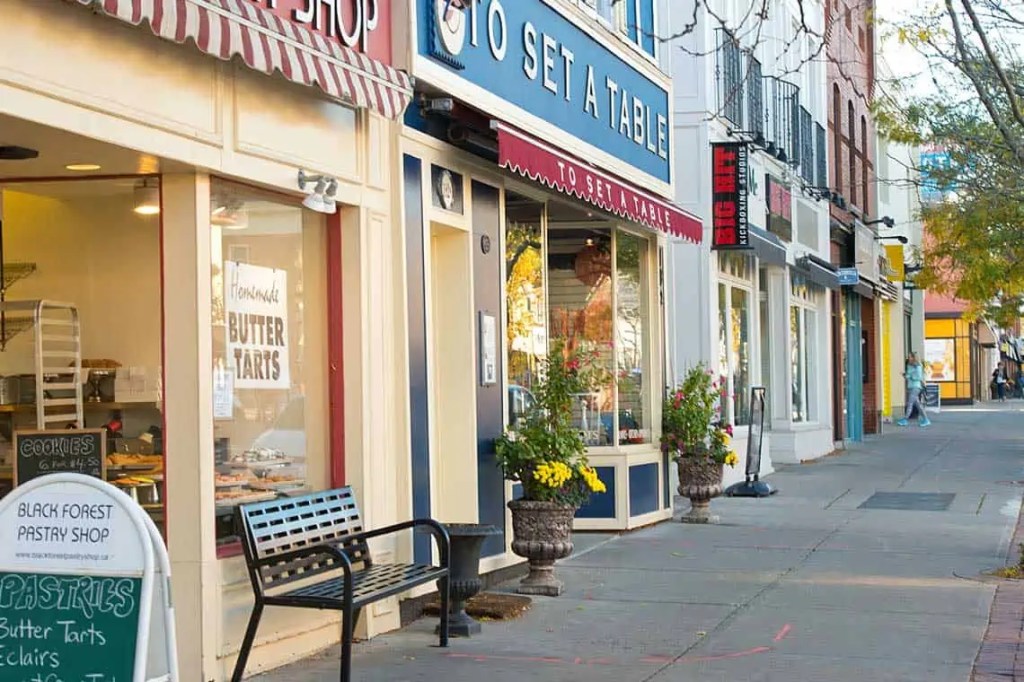
  • Quick Study: The Top Five Jive: Some examples of sites of interest for older adults in the community in the Halton Region

    1. Oakville Senior Citizens’ Recreation Centre
    2. Burlington Seniors’ Centre
    3. Milton Seniors’ Activity Centre
    4. Halton Hills Seniors’ Centre
    5. Silver Creek Place Adult Day Program

  • The Vision

    Creative programming offers many benefits, as I strive to portray through my blog. I hope, in the future, there will be more opportunities for creative programming in the community, inside and outside Long Term Care. Through my research, I hope, to implement practice change and policy change that will allow the social and mental benefits gathered from my study to change how creative programming is implemented, on a larger and more in-depth scale.


  • Character Sketch – Mental health and Socialization benefits of Creative Programming

    In any social situation, you naturally benefit from some interactions more than others. When I met “Linda”, I experienced my first friendship with someone living with dementia. I feel it’s important to interact with all older adults, even those living with dementia, as equals. In my care, there is no way I am going to act in a condescending manner, I am there to support them.

    When I began my creative programming work during the pandemic, I was utilizing every ounce of creativity I could and was putting the “f” in u-n. I wanted to make sure that the residents enjoyed themselves. All around me, the world was most literally stagnant (even though everyone was panicking). I needed to wear my hero-cape and intervene, and try to save the day!

    “Linda” slowly warmed to me throughout our creative programming work. Although, living with dementia, it took her twice as long to do things, and sometimes she became emotionally distressed, it was clear she enjoyed encountering my playful and authentic nature as I provided creative engagement. To this day, it touches my heart when I see “Linda” around the long- term care center, and her eyes light up when she sees me. Although the observations of “Linda’s” engagement were just that; observations that were not data-based, these insights are what inspired me to want to study, via an anonymous survey, the effects of creative programming on socialization and mental levels.

    From the experiences that I had with her, it was clear to me that the work that I was doing was benefiting “Linda”. I noticed her warming up to others, and the way she carried herself began to change. She began to smile more and engage in a more positive manner. I think “Linda” really sensed that I cared about her well being, and that I touched her on a very authentic, spiritual and human level. Witnessing the journeys of residents like Linda is one of the reasons I continue to work in long- term care.


  • Why are you telling me this, anyway?

    When I embarked on a journey of self growth and self-determination, as a part of the 4th year, Social and Community Development Program at Sheridan College, I discovered that I would be a part of a program long cumulative research project geared around one question – in which ways does the implementation of creative programming engage with socialization and mental health in Ontario? I created a 10-question anonymous survey on MS Forms that spoke to assessing potential benefits in terms of creative programming for socialization and mental health. How did I determine this? I looked at whether or not older adults experienced increased laughter, decreased emotional distress and an increase in social bond formation. I also considered the ways in which the length that participants had worked in the field had contributed to outcomes of benefits in the areas of socialization and mental health.


  • Curious to see more? Check out this brief video on creative engagement in the Halton Region.

    https://www.youtube.com/watch?time_continue=82&v=3EVqOALR858&embeds_referring_euri=https%3A%2F%2Fwww.halton.ca%2F&source_ve_path=Mjg2NjY&feature=emb_logo


  • What in the world was the final scoop from this anonymous survey? Satisfy your inquiry…

    The evidence pointed towards finding that creative programming had social and emotional benefits all associated with positive socialization and mental health. We know that isolation (especially during the pandemic) and poor mental health are all factors that contribute to the overall decline of health among older adults. When I worked in long-term care over the pandemic, I saw first hand how isolation contributed to poor mental health. These experiences made me want to inquire into this specific research process in order to assess what benefits came from the kind of work I had been engaging in so very passionately.


  • So you say you’ve heard about creative programming… here’s what you didn’t know… and more!


My name is Julia Rose Baigrie and I am a 4th year Social and Community Development student at Sheridan College who wants to make a difference in the world.

This is a blog based on work I’ve done conducting data for a brief anonymous survey for creative programming professionals, that draws from their observations with Long Term Care and the Community at large, in Ontario.